
A more effective shingles vaccine is expected to become available in South Africa by the end of June 2026. However, its price and planned private-sector launch could place it beyond the reach of many patients.
Shingrix is manufactured by pharmaceutical company GlaxoSmithKline, or GSK. The South African Health Products Regulatory Authority recently registered the vaccine.
SAHPRA registration means Shingrix can now be imported and distributed commercially at scale. Patients previously had to access it through special applications for medicines that were not registered in the country.
Shingrix South Africa Registration Clears Major Barrier
Shingles is a painful viral infection caused by the reactivation of the virus that causes chickenpox. It mainly affects older adults and people with weakened immune systems.
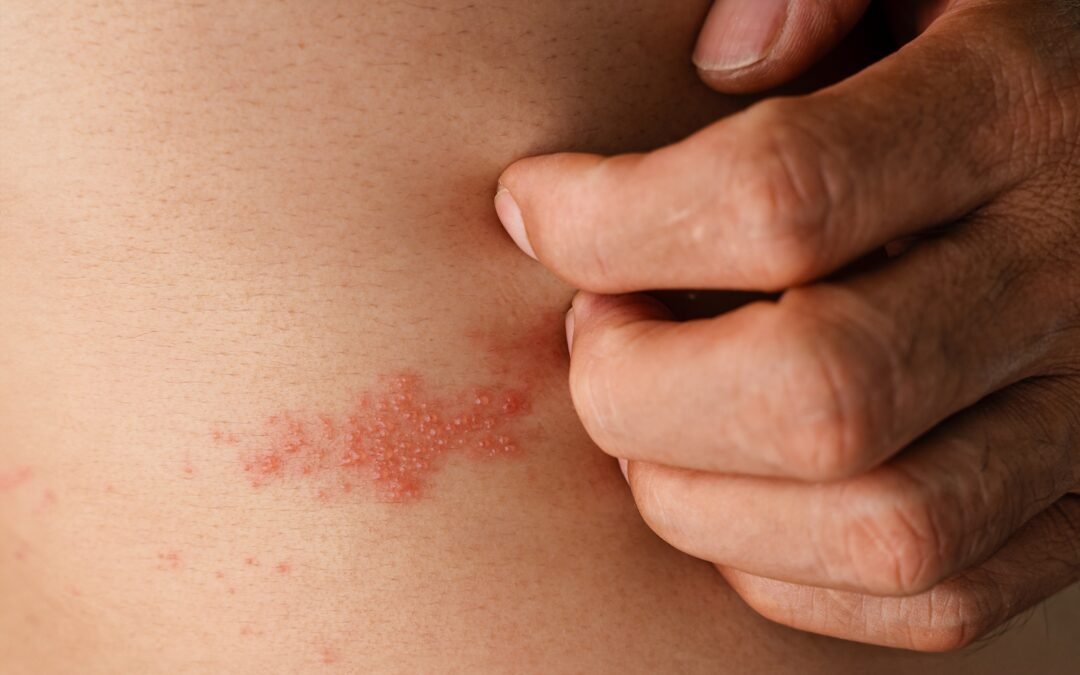
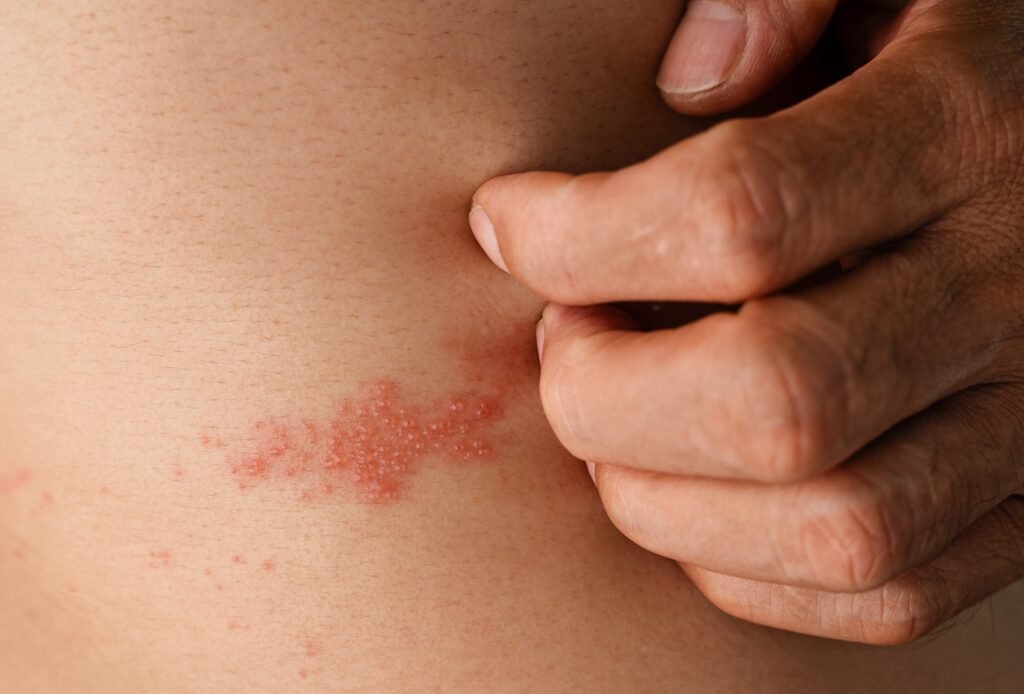
The condition usually causes a painful red rash and groups of blisters. These often appear on one side of the body in a band-like pattern.
Shingles can also lead to serious complications. These may include long-lasting nerve pain, stroke, vision loss and hearing loss.
Vaccination is one of the main ways to reduce the risk of developing shingles and its complications.
Access to shingles vaccines has historically been limited in South Africa. Zostavax, manufactured by MSD, was approved locally in 2011. However, it was removed from the South African market in 2024.
Zostavax was estimated to offer around 50% protection against shingles. Shingrix is expected to provide roughly 90% protection.
The vaccine was introduced in the United States nearly a decade before its planned launch in South Africa.
Until its recent registration, South Africans could generally access Shingrix only through a Section 21 application. This provision of the Medicines Act permits limited access to unregistered medicines.
SAHPRA’s decision removes that barrier and allows routine commercial distribution.
Shingrix South Africa Price May Limit Access
GSK plans to launch the vaccine at R2,783 per dose, including VAT.
Shingrix requires two doses. These are administered between two and six months apart. The vaccine alone will therefore cost R5,566 for the full course.
Patients may pay more once pharmacy administration charges and other fees are added.
Shingrix is classified as a Schedule 4 medicine. Patients will need a prescription from a doctor before receiving it.
The price is likely to restrict access for people without private medical cover or sufficient personal funds. It may also make a large-scale public-sector rollout difficult in the near future.
Public Healthcare Rollout Remains Uncertain
Vaccines considered for South Africa’s public health system are usually assessed by the National Advisory Group on Immunisation.
NAGI considers safety, effectiveness, affordability and operational feasibility. It also reviews available funding and national public health priorities before advising the Department of Health.
The department has not yet received NAGI’s assessment or recommendations on Shingrix.
GSK expects the vaccine’s initial launch to take place in the private sector. The company has said it remains open to discussions about supplying the public healthcare system.
Medical Scheme Funding Is Not Yet Clear
Medical scheme cover for Shingrix also remains uncertain.
Before schemes can consider funding the vaccine, it must be registered by SAHPRA, commercially available and issued with a valid NAPPI code.
Discovery Health Medical Scheme members with medical savings accounts may be able to pay for the vaccine from those funds once it becomes commercially available. Broader benefit coverage has not been confirmed.
South Africa also has no national guidelines stating who should receive a shingles vaccine.
In the United States, Shingrix is recommended for adults aged 50 and over. It is also recommended for immunocompromised adults aged 19 and older.
The arrival of Shingrix could strengthen shingles prevention in South Africa. However, pricing, medical scheme funding and public-sector access will determine how widely its benefits are shared.