
Over the past four decades, antiretroviral therapy has transformed HIV care. A diagnosis that was once frequently fatal can now be managed as a chronic condition.
Treatment has extended life expectancy and improved quality of life. It has also enabled millions of people living with HIV to remain healthy and productive.
Preventing new infections remains a major challenge. South Africa has made significant progress, but many people are still vulnerable. Stigma, unequal access to healthcare and difficulties taking medication consistently continue to reduce the impact of existing prevention options.
Lenacapavir HIV Prevention Offers A New Approach
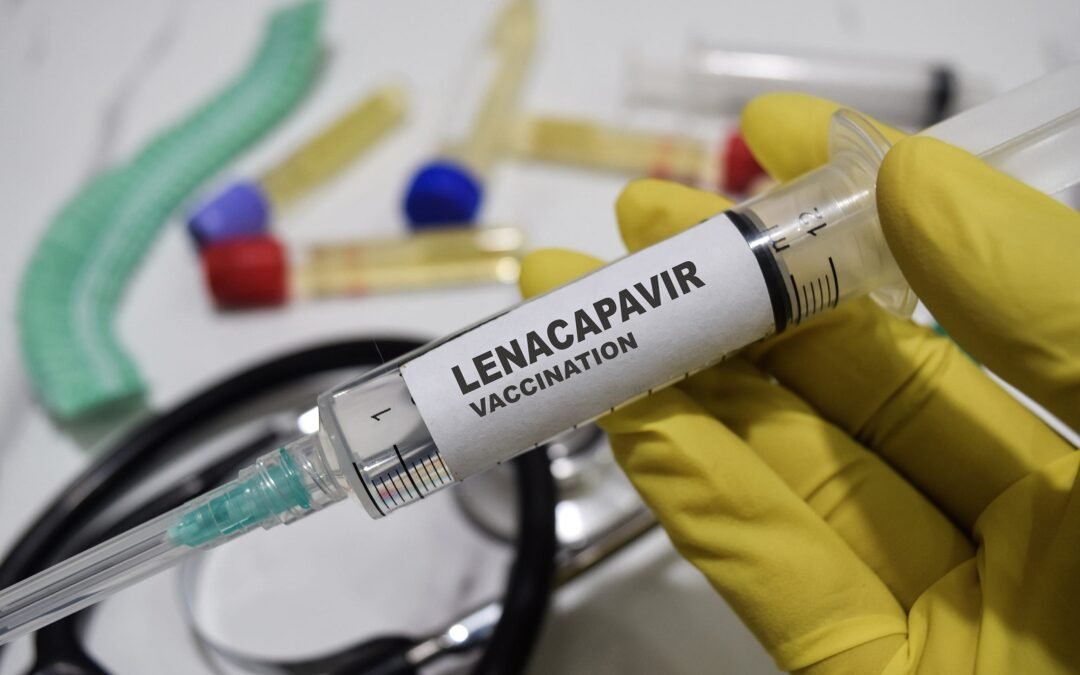
The arrival of lenacapavir, also known as LEN, could mark an important moment for HIV prevention in South Africa.
LEN is a long-acting injectable form of pre-exposure prophylaxis, or PrEP. It is administered twice a year and maintains protective levels of antiretroviral medication for about six months.
Clinical trials involving women and adolescent girls in South Africa and Uganda reported near-total protection against HIV infection. The findings have created significant interest in LEN’s ability to address a major weakness of oral PrEP.
Daily PrEP is highly effective when taken consistently. However, healthy people may find it difficult to take a tablet every day for an infection they do not have.
A twice-yearly injection could reduce this burden. It may also give people a more discreet prevention option.
Scientific Success Does Not Guarantee Uptake
Clinical effectiveness alone will not stop new HIV infections. People must also be willing and able to use the medicine.
South Africa’s history has influenced attitudes towards healthcare. Under apartheid, black South Africans experienced segregated and under-resourced services. Many also received disrespectful treatment.
Continuing inequalities in access and quality have reinforced mistrust in some communities. People may question the safety of new medicines or worry that communities are being used for experimentation.
These concerns can become stronger when information is unclear. Dismissive behaviour from healthcare professionals may also weaken confidence.
Risk perception presents another barrier. Some people who could benefit from PrEP do not believe they are vulnerable to HIV.
Trust in long-term relationships, social expectations and limited conversations about sexual health can create a false sense of security. LEN cannot protect people who do not see HIV prevention as relevant to them.
HIV Stigma Could Limit Injectable PrEP
PrEP use can still attract stigma. Others may wrongly assume that a user is living with HIV or engaging in behaviour considered socially unacceptable.
LEN removes the visibility of daily tablets. However, users must attend a healthcare facility every six months.
Clinic visits are not always private. Fear of gossip, judgement or unwanted questions could prevent people from returning for further injections.
The adherence challenge, therefore, changes. Instead of taking a daily tablet, users must remain engaged with healthcare services over time.
Lenacapavir HIV Prevention Must Become Routine Care
Public health messaging should move away from fear-based campaigns. It should use practical information, relatable experiences and trusted community voices.
LEN should be presented as routine self-care. It should not be framed as evidence of risky behaviour.
Integrating injectable PrEP into contraception, family planning, sexually transmitted infection screening and youth-friendly services could help normalise its use.
Community health workers, peer educators and local organisations will play an important role. They can explain how LEN works, discuss possible side effects and advise users about delayed injections.
Healthcare professionals must also provide respectful and non-judgemental care. This will be particularly important for young people and marginalised communities.
Lenacapavir could reshape HIV prevention in South Africa. However, its success will depend on more than scientific efficacy. People must understand the medicine, trust healthcare providers and remain supported throughout their prevention journey.