
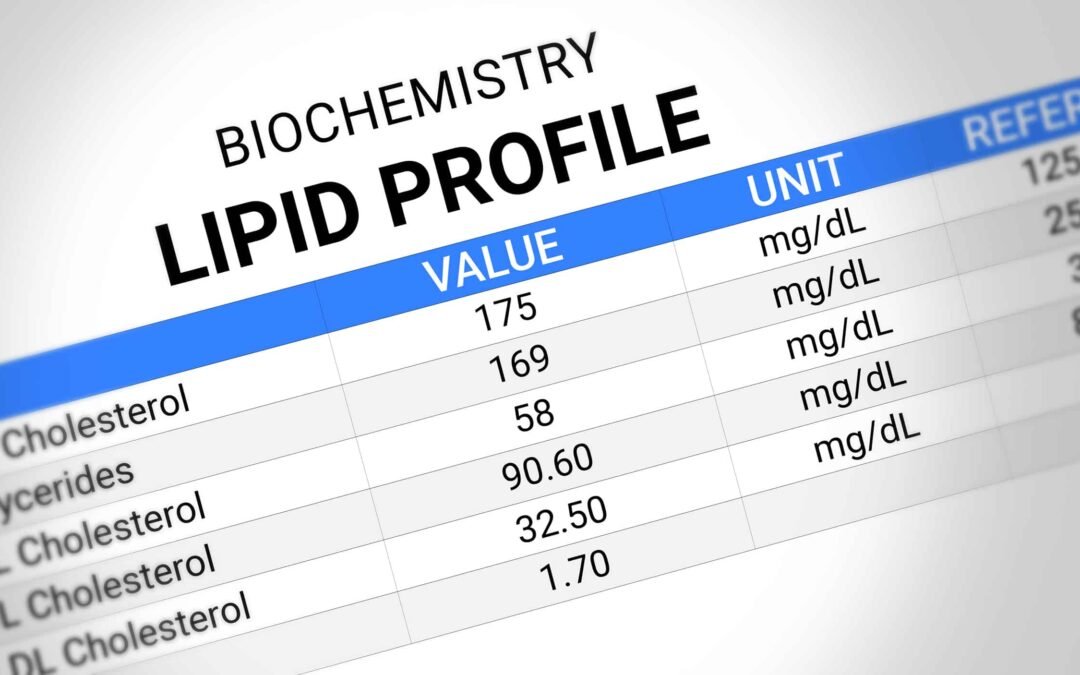
Major medical organisations have updated cholesterol guidance for the first time since 2018. The new cholesterol guidelines represent an important shift in how doctors assess heart disease risk.
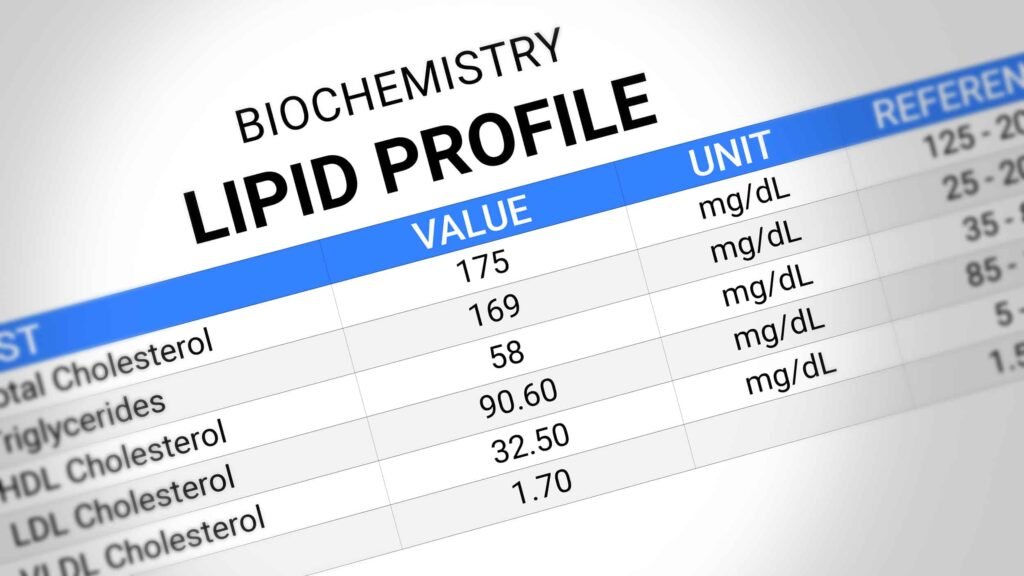
The New Cholesterol Guidelines encourage physicians to look beyond a patient’s 10-year risk of heart attack or stroke. Doctors are now advised to consider cardiovascular risk over several decades.
Health experts say this could support earlier prevention. It may also lead to earlier treatment for younger adults who do not yet appear to be at short-term risk.
Cardiovascular disease remains the leading cause of death in the US. The updated recommendations aim to help patients act before serious heart problems develop.
New Cholesterol Guidelines May Support Earlier Treatment
Under previous guidance, doctors assessed cholesterol alongside other risk factors. These included diabetes, high blood pressure, smoking status and family history.
The updated approach is more detailed. It gives clinicians extra tools to identify hidden cardiovascular risk.
For some patients, this could mean starting treatment sooner. Doctors may consider statins for certain adults in their 30s if their long-term risk is high enough.
Statins are widely used to lower cholesterol. They can reduce the risk of heart attack and stroke.
Lp(a) Testing Could Become Routine
One major change is the recommendation for everyone to have their Lp(a) level checked at least once.
Lp(a), or lipoprotein(a), is a genetic marker linked to cardiovascular disease. Unlike standard cholesterol, it is not usually significantly affected by diet, exercise, or many cholesterol-lowering drugs.
Because Lp(a) is inherited, a one-time test can give doctors useful long-term information. Patients with high Lp(a) may need closer monitoring. They may also need more aggressive prevention, even when standard cholesterol results look only mildly raised.
Coronary Calcium Scans May Help Borderline Cases
The guidelines also support wider use of coronary calcium scans in selected patients. These scans measure calcium deposits in the arteries. They can show whether blood vessels are hardening.
Cardiologists say the test can help when cholesterol levels are borderline. It may serve as a “tie-breaker” when doctors decide whether to prescribe a statin or adjust a dose.
In some high-risk cases, assessment may begin very early in life. That could include teenagers with strong risk factors.
Insurance Cover May Shape Access
The wider use of Lp(a) testing and coronary calcium scans may depend on insurance cover.
Experts hope the strength of the new recommendations will encourage insurers to fund more preventive screening. Better access could give patients more time to lower cholesterol, change lifestyle habits and reduce long-term risk.
For healthcare providers, the message is clear. Prevention is moving earlier. The goal is to identify risk before a crisis occurs.
Read the Original Article ( May require a subscription)